
When a critical role opens, the first instinct is often to look outside. A job advert goes live, agencies are briefed and the search begins. Yet in many organisations, people with the right skills, or most of them, are already on the payroll. They simply have not been seen.
The cost of not knowing what you have
Job titles and CVs on file tell only part of the story. Employees build skills on projects, in previous roles and outside work that never make it into an HR system. When that capability stays invisible, organisations pay for it twice: once in the cost and time of external hiring, and again when capable people leave because they could not see a next step.
For organisations in Saudi Arabia developing national talent and adapting to new roles, this visibility gap matters even more. Every internal move that works is a role filled faster, a person retained and knowledge kept inside the business.
See, move, build
A practical approach to internal mobility follows three steps.
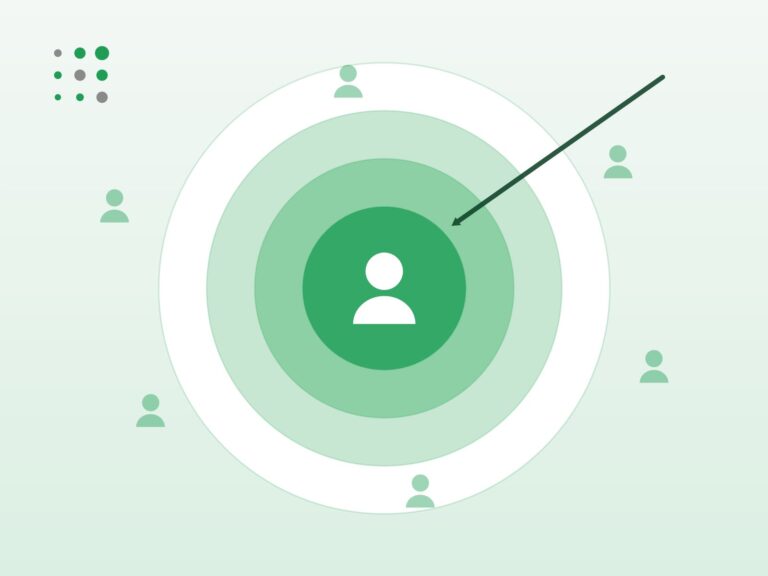
- See the workforce clearly. Map skills, capabilities, preferences and potential across teams, not only current job descriptions.
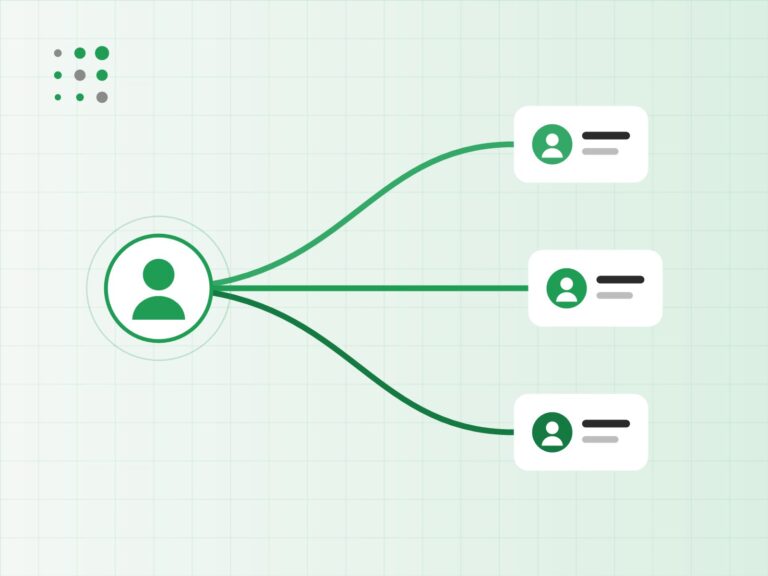
- Move talent where it fits. Match people to open roles using transferable skills and role suitability, and identify redeployment options before recruiting externally.
- Build what is missing. Where the gap is real, target development at the specific capabilities the business needs next.
Internal first does not mean internal only
Some roles will always need external talent, whether a senior leadership appointment, a new specialism or a large project that needs people quickly. The point is not to stop hiring. It is to hire with a clear picture of what already exists, so external recruitment is focused on the capabilities that genuinely are not available inside.
That clarity also improves the external search. When an organisation knows which skills it has and which it lacks, the brief to recruiters becomes sharper and the shortlist becomes stronger.
Where to start
Begin with one business-critical role family. Assess the people already working in and around it, compare their capabilities with what the role requires, and look at who could move with targeted support. The results usually make the case for applying the same approach more widely.
Powered by Epitome, RGH Workforce Optimisation helps organisations across the Kingdom understand the talent they already have and turn that insight into practical mobility, development and hiring decisions. Talk to our team about your next critical role.